
Most kids should see an orthodontist by age 7. Not for braces—for a head start on issues that are easier to fix while they're still growing.
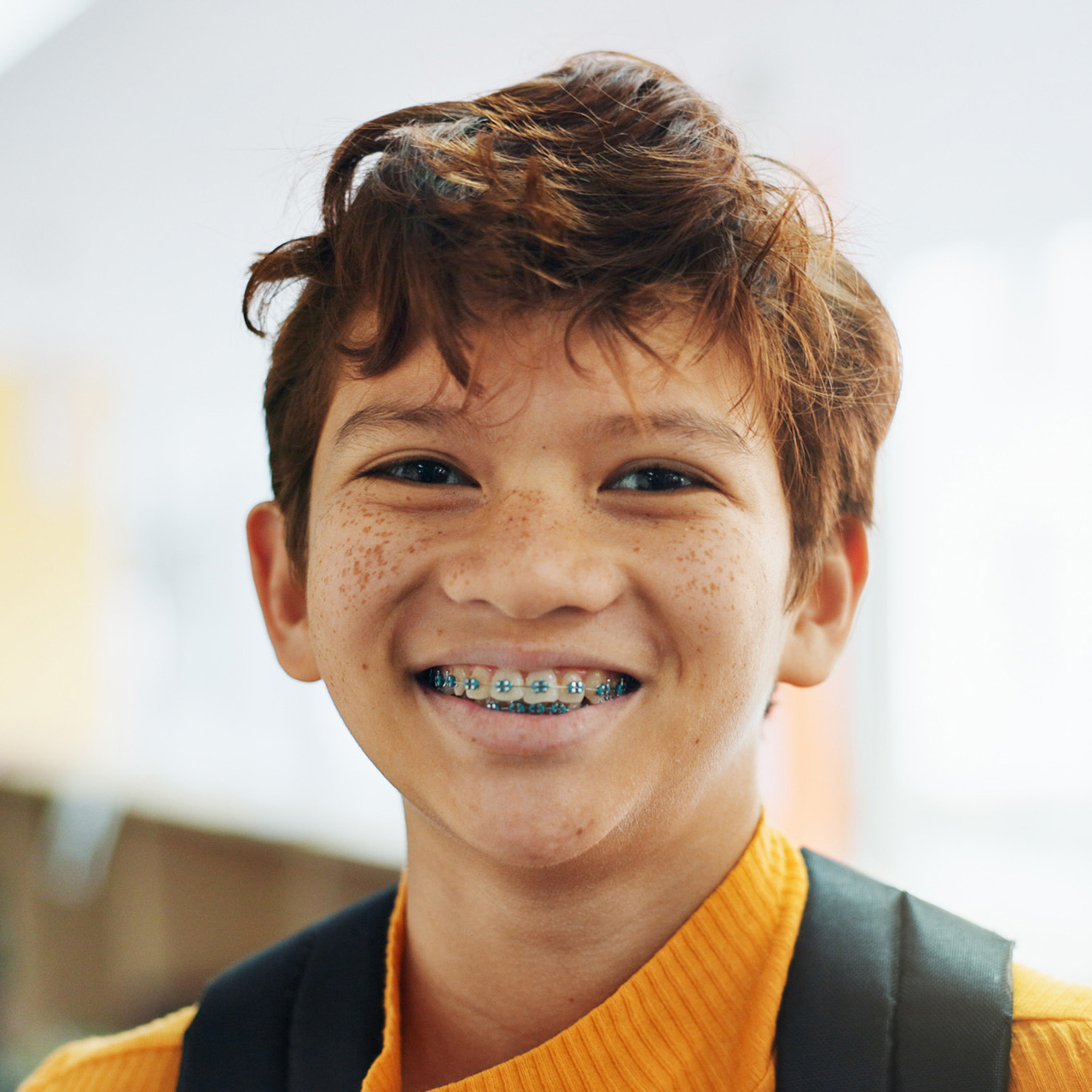
The American Association of Orthodontists recommends a first orthodontic visit by age 7. Most kids who come in for that visit don't need anything done—we just keep an eye on things. But for the kids who do, catching it early can mean avoiding extractions, surgery, or longer treatment down the road. We'll tell you honestly whether your child needs treatment now, later, or not at all.
Appliances like expanders have a real and valuable role when there's a specific issue to address—a crossbite, a narrow jaw, or crowding. We recommend them when they're the right tool for your child, based on what we actually see.
How do we approach early treatment? Sometimes the best recommendation is to wait and watch.
Some kids genuinely benefit from early treatment. A true crossbite, a narrow upper jaw, or significant crowding can be easier to address while a child is still growing—and when your child has a diagnosable issue like that, we'll explain what we see and exactly what treatment would involve.
But many children who come in simply need monitoring as they grow. When that's the case, we'll say so—even though it means no appliance and no treatment for now. We'd happily see your child back in six months rather than start treatment they don't need yet.
Our goal is straightforward: recommend what your child actually needs, and explain our reasoning clearly enough that you feel confident in the plan.

We examine your child's teeth, jaw, and bite, take a 3D scan, and give you a clear picture of what's developing well and what might need attention.
For most kids, the recommendation is to come back every 6–12 months and monitor. For kids who need treatment now, we explain what, why, and what it'll involve—no pressure, no upselling.
If treatment is recommended, it's typically 6–12 months and uses a small appliance, partial braces, or an expander. The goal is to fix the specific issue, not move every tooth.
After Phase 1, we let your child's adult teeth come in. Some kids never need a Phase 2. Others come back as teens for a shorter, simpler full treatment.

Some issues—crossbites, severe crowding, or jaw growth problems—are hard for a parent to spot but easiest to guide while a child is still growing. Often the visit is just monitoring, and that's a good outcome. The point is to catch the few things that benefit from early attention before they become bigger problems.
Not necessarily. Some kids never need a second phase, and for those who do, it's usually shorter and simpler because the groundwork is already done. The goal is less total treatment over time, not more.
Yes, the consultation is free, and no pressure. Most kids who come in just get monitored, and we'll say so plainly when that's the case. We'd rather have you back in six months than start treatment your child doesn't need.
When it's needed, Phase 1 is usually a small appliance, an expander, or partial braces for about 9–12 months. It targets one specific issue—guiding jaw growth or making room for adult teeth—rather than moving every tooth.
Usually every 6–12 months so we can keep an eye on how things are developing and step in at the right moment if anything changes.